

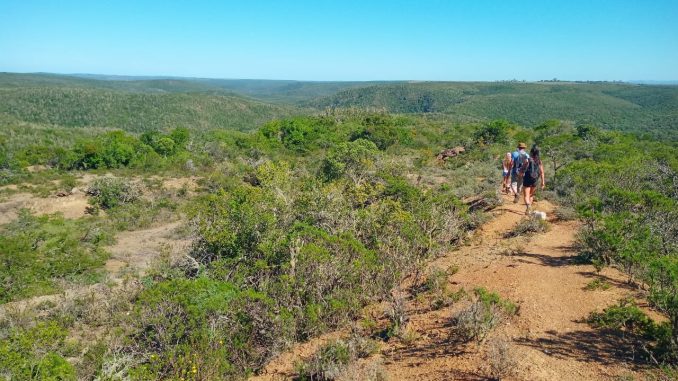
Few places define the character of Bathurst as clearly as the Bathurst Commonage. Stretching across vast open land on the edge of the village, the commonage is more than just grazing ground — it is a historical asset, an ecological treasure, and a shared community resource that continues to shape the identity of the town.
A Landscape Rooted in History
The Bathurst Commonage has existed in one form or another since the early years of the settlement. Like many towns established during the era of the 1820 British Settlers, land was set aside outside the village for shared use — particularly for grazing livestock and supporting small-scale farming.
Municipal commonage land typically belongs to the local municipality and is held in trust for the benefit of residents. In the case of Bathurst, the boundaries of the commonage have remained largely unchanged since the early 1900s, apart from the addition of approximately 400 hectares in 1924.
Historically, the land played an essential role in sustaining families who depended on livestock and natural resources. Even today, commonage land continues to provide grazing for cattle and goats, supporting livelihoods for many local households.
The concept of shared land is deeply rooted in South African rural life, and commonages have long been seen as important tools for poverty relief, food security, and agricultural opportunity.
One of the Largest Commonages in South Africa
The Bathurst Commonage is widely regarded as one of the largest municipal commonages in South Africa, forming a significant natural buffer between the town and surrounding farmland.
Although exact figures vary, the land extends across a vast landscape of bush, grazing areas, and open veld. It has long been used primarily for livestock grazing, as much of the terrain is better suited to grazing than cultivation.
This sheer scale is part of what makes the Bathurst Commonage so unique — it is not just open land, but a functioning ecosystem and working landscape intertwined with community life.
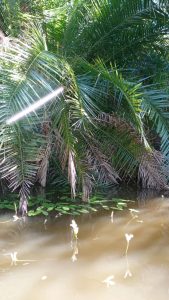
Flora: A Botanical Treasure of Albany Thicket
One of the defining features of the Bathurst Commonage is its remarkable vegetation.
The area forms part of the Albany Thicket biome, one of the most biologically rich vegetation types in southern Africa. This ecosystem includes dense shrublands, thornveld, and patches of grassland, supporting a wide variety of plant life.
Some of the indigenous plant species found in the region have ancient origins dating back millions of years. Notable plants commonly associated with the local vegetation include:
- Cycads
- Cabbage trees
- Strelitzias
- Acacia (especially Acacia karroo)
- Indigenous shrubs and succulents
This vegetation type is considered ecologically important, not only because of its diversity but also because much of it is under-protected and vulnerable to pressure from land use and invasive plants.
In many areas of the commonage, woody shrubs have expanded naturally over time, gradually reclaiming former grazing or disturbed land — a sign of ecological recovery in certain zones.
Fauna: Wildlife Among the Thickets
The Bathurst Commonage is home to a wide variety of animals, birds, and insects that rely on the thicket ecosystem.
Typical wildlife in the area includes:
- Vervet monkeys
- Small antelope species
- Rodents and reptiles
- A wide diversity of birdlife
- Pollinators such as bees and butterflies
The area has also been noted as supporting species of conservation importance, reflecting the ecological value of the thicket vegetation.
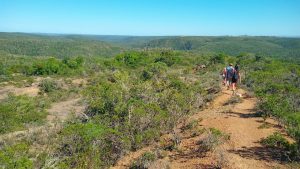
For local walkers and hikers, wildlife encounters are a familiar part of exploring the commonage, particularly in the quieter areas where human disturbance is limited.
A Shared Resource for the Community
For generations, the commonage has supported a variety of activities, both practical and recreational.
These include:
- Livestock grazing
- Foraging for medicinal plants
- Firewood collection
- Walking and hiking
- 4×4 driving
- Horse riding
- Informal recreation and camping
For many households, particularly those with limited access to private land, the commonage provides an essential source of food, income, and daily survival. Studies have shown that commonage use contributes significantly to household livelihoods in small towns like Bathurst.
Today, it also serves as a valuable space for outdoor recreation, education, and environmental awareness.
Environmental Challenges and Pressures
Like many shared landscapes, the Bathurst Commonage faces several environmental challenges.
Among the most pressing are:
Invasive Alien Plants
Species such as lantana and other invasive shrubs threaten indigenous vegetation by competing for water and sunlight. Left unchecked, these plants can reduce biodiversity and impact grazing quality.
Overgrazing
Periods of heavy grazing in the past contributed to soil erosion and vegetation loss in certain areas. While some sections have recovered, sustainable stocking levels remain an ongoing management challenge.
Waste and Development Pressures
Questions about land use — including dumping, sand mining, and housing — highlight the need for careful planning and responsible governance.
These pressures are not unique to Bathurst but reflect broader challenges facing municipal commonages across South Africa.
The Future of the Bathurst Commonage
Looking ahead, the future of the Bathurst Commonage will depend on collaboration, responsible management, and long-term planning.
There are growing opportunities to:
Promote Sustainable Grazing
Balanced livestock management can help maintain vegetation health while supporting livelihoods.
Protect Biodiversity
Parts of the commonage may hold potential for conservation initiatives linked to regional biodiversity programmes.
Encourage Eco-Tourism and Education
Nature walks, guided tours, and environmental education could provide new ways for residents and visitors to appreciate the landscape.
Strengthen Community Stewardship
Shared responsibility — among residents, farmers, and local authorities — will be essential to preserving the commonage for future generations.
The idea of cooperative land management, where users share responsibility for protecting the environment, is increasingly recognised as one of the most effective ways to sustain commonage land.
A Landscape Worth Protecting
Department of Agriculture Commonage Planning meeting at the Agriculture Research Station to discuss a management plan for the commonage – including demarcation of camps, fencing, water supply, placement of gates, hiking trails and horse riding trails. This meeting, which was conducted by Deputy Director Mthuthuzeli Madyakathe, Land Use Management Section of the Department of Agriculture and his staff, was well attended and constructive. Mr Khayalethu Sweli, Ms Evonne Ghemo and Prof Monty Roodt of BCMC attended and made inputs. Once again, Ndlambe Municipality failed to attend this meeting. This is becoming a serious issue and needs urgent attention. Source
The Bathurst Commonage is more than open land — it is a living system shaped by people, animals, and nature over centuries.
From its historical roots in early settlement days to its role in supporting modern livelihoods, the commonage remains a defining feature of Bathurst life. It offers beauty, sustenance, and opportunity — but also demands careful stewardship.
As Bathurst continues to grow and evolve, the future of the commonage will reflect the values of the community that depends on it.
Protecting it today ensures that future generations will still be able to walk its trails, graze their animals, and experience the quiet magic of this remarkable landscape.


Leave a Reply